
Winning in competitive games isn’t just about mechanics—it’s about making smarter choices before the match even begins. If you’re searching for ways to gain an edge through counter picking strategies, you’re in the right place. This guide breaks down how smart character, class, or loadout selections can neutralize dominant picks, disrupt popular metas, and give you a measurable advantage from the start.
Many players understand the concept of countering but struggle to apply it effectively in real matches. We’ve analyzed current multiplayer metas, reviewed high-level tournament play, and studied top-ranked gameplay patterns to identify what actually works—not just in theory, but in live competitive environments.
In this article, you’ll learn when to counter pick, how to read enemy compositions, and which matchups consistently tilt the odds in your favor. Whether you’re climbing ranked ladders or refining your team strategy, these insights will help you turn draft decisions into consistent wins.
Build With Intention
Random picks feel exciting, but they sabotage more games than bad mechanics ever will. I’ve seen rosters lose because nobody asked a simple question: How do these pieces work together? A dominant draft starts with roles, win conditions, and tempo—meaning how fast your team wants fights to happen.
Some players argue skill overrides synergy. I disagree. Even cracked aim can’t fix crowd control or conflicting power spikes (and yes, that hurts).
Use counter picking strategies when needed, but prioritize cohesion first.
• Define a carry.
• Draft protection and initiation around them.
Pro tip: lock flexibility early.
The Foundation: Understanding Core Archetypes
Forget the old Tank / DPS / Healer triangle. It’s a helpful starting point, but modern multiplayer metas demand more nuance. Today’s winning teams think in terms of Initiators, Controllers, Supports, and Flex picks.
- Initiators start fights on their terms. They burn key cooldowns and force reactions (think of the friend who says “we’re doing this” and kicks the door open).
- Controllers dictate space—zoning, slowing, blocking sightlines, or splitting teams.
- Supports amplify others through buffs, healing, vision, or utility.
- Flex players adapt mid-draft or mid-match to patch weaknesses.
Here’s the recommendation: stop locking comfort picks first. Instead, identify your team’s win condition—the specific scenario that leads to victory.
- Overwhelm: Pair Initiator + high burst DPS to delete priority targets.
- Outlast: Combine Tank durability with layered Support sustain to win extended fights.
- Control: Stack Controllers to choke objectives and win through map pressure.
Each archetype feeds that win condition differently. If you’re drafting, ask: How do we actually close games? (If the answer is “vibes,” you’re in trouble.)
Think of composition as a resource economy. Health pools, cooldown timers, ultimates, and even positioning are limited assets. Blow all your ultimates at once? You’ve overspent. Stagger them correctly? You’ve invested.
Some argue pure mechanical skill overrides composition. Sure, skill matters. But coordinated resource layering consistently beats solo heroics—just look at pro-level play across MOBAs and tactical shooters (Riot Games esports stats consistently show higher win rates for structured team comps).
Use counter picking strategies in the section once exactly as it is given
Pro tip: draft at least one flexible slot so you can pivot if the enemy reveals a hard counter.
The Synergy Engine: How to Make 1+1=3
Synergy is the idea that two elements combined create more value than they would separately. In games, that means turning isolated abilities into stacked advantages. Think of it as the difference between two solo acts and a perfectly rehearsed duo.
Ability Combos
The most obvious form of synergy is chaining skills together:
- A “stun” followed by a high-damage “nuke” prevents escape and guarantees burst.
- A “vortex” that groups enemies into a tight cluster sets up an area-of-effect ultimate.
Some argue raw mechanical skill matters more than combos. And yes, aim and timing win duels. But coordinated abilities multiply impact. A perfectly timed crowd control into burst combo has defined metas in games like Overwatch and League of Legends for years.
Complementary Playstyles
Pairing roles is just as critical:
- Aggressive “dive” characters thrive with mobile supports who can follow and heal mid-engage.
- Stationary “anchor” tanks pair best with long-range damage dealers who capitalize on safe positioning.
Critics say rigid synergy limits flexibility. They prefer to use counter picking strategies in the section once exactly as it is given. Counter-picking matters, but synergy ensures your team functions even before adaptations begin. (A mismatched comp feels like a band warming up in different keys.)
Ultimate Economy
Ultimate economy refers to managing high-impact abilities so your team maintains pressure. Mix fast-charging ultimates for tempo with slower, game-changing ones for decisive fights. Stagger usage instead of stacking everything at once. Pro tip: track enemy cooldowns mentally; pressure spikes when theirs are down.
One coordinated combo can flip an entire match. That’s how 1+1 becomes 3.
The Chess Match: Deconstructing and Countering the Enemy
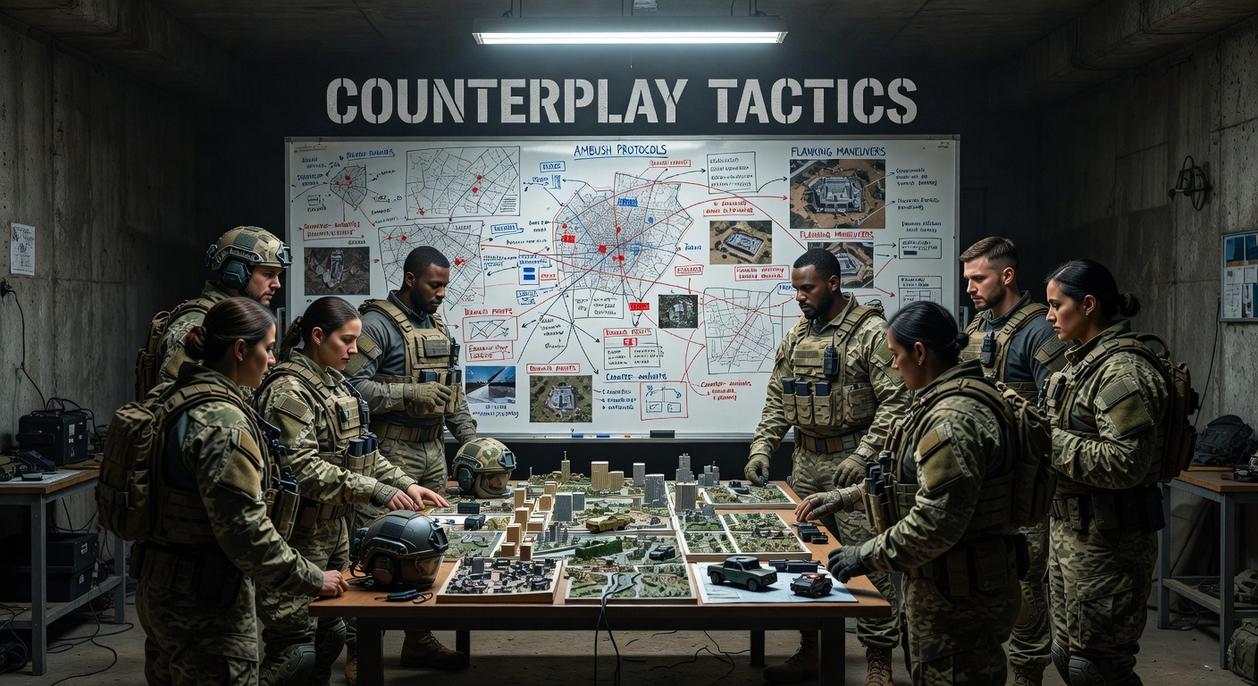
Every draft phase is a chessboard in disguise. Before you move a single piece, you need to identify the enemy’s linchpin—their central piece, or primary win condition. A win condition is the strategy or character that, if left unchecked, most reliably secures them victory. Is it a late-game hyper-carry? A sniper who dominates sightlines? A healer who keeps everyone immortal (or at least annoyingly close)?
Once you spot that queen on the board, you respond with precision. Direct counter-picks are like placing your knight exactly where their rook feels uncomfortable. If they draft a fragile sniper, choose a high-mobility assassin to harass them. If their strategy revolves around sustain, draft anti-healing to collapse their core. Think of it as cutting the power line instead of fighting every lightbulb.
However, advanced teams go further with denial drafting. This means selecting a character not just for synergy, but to prevent the opponent from accessing a key meta pick. It’s the equivalent of removing a crucial chess piece before the match even begins.
Understanding how patches shift power levels—especially through balancing changes and their impact on online matchmaking—sharpens these counter picking strategies.
In the end, drafting isn’t chaos. It’s calculated pressure, one deliberate move at a time.
Adapting to the Arena: Map, Mode, and Meta
A composition isn’t universally powerful—it’s context powerful. An open map with long sightlines favors snipers and poke damage; drop that same lineup into tight corridors with hard chokepoints and it collapses (like bringing a race car to a demolition derby). High ground control, flank routes, and objective placement should dictate picks before mechanics ever do. Pro tip: draft mobility when verticality dominates.
Objective-Based Drafting changes priorities:
- King of the Hill demands sustained brawling power and area denial to hold space repeatedly.
- Payload Escort requires hybrid flexibility—burst damage to clear defenders and anchors to stabilize during stalls.
The meta—the “most effective tactics available”—emerges from win-rate data and pro play trends (as seen in titles like Overwatch and League of Legends, per competitive patch analyses from Blizzard and Riot Games). Some argue you must mirror it for consistency. Others innovate. Smart teams blend both, using counter picking strategies to exploit predictable meta choices while maintaining structural synergy.
Your Blueprint for a Coordinated Victory
I’ll never forget loading into a ranked match and knowing—before the timer hit zero—we’d lost. No frontline. No synergy. Just five comfort picks staring at a nightmare matchup. That’s the pain, right? Starting a game feeling defeated in the character select screen.
This blueprint fixes that.
A coordinated draft is a layered strategy, not a popularity contest. You build from the ground up:
- Lock in core archetypes (tank, damage, support)
- Strengthen with synergy (abilities that amplify each other)
- Apply counter picking strategies to neutralize threats
- Adapt to map and enemy composition
Some players argue mechanics matter more than draft. I used to think that too—until I watched evenly skilled teams crumble because their kits clashed (like assembling the Avengers without checking who can actually work together).
When you draft with intention, you create built-in advantages before the match even begins.
Take this into your next game. Focus on just one layer—maybe synergy—and watch your team’s performance level up immediately.
Level Up Your Competitive Edge
You came here to sharpen your understanding of the current meta, refine your mechanics, and gain a real advantage in your matches. Now you have the insights, tactical breakdowns, and counter picking strategies needed to outplay opponents and make smarter in-game decisions.
The difference between average and elite players isn’t just reaction time—it’s preparation. When you understand matchups, optimize your gear, and adapt to shifting multiplayer trends, you stop reacting and start controlling the game.
But staying ahead of the meta is a constant challenge. New patches, balance updates, and evolving player tactics can quickly turn yesterday’s winning formula into today’s weakness.
Ready to dominate your next match? Dive deeper into our expert play strategies, meta breakdowns, and proven counter picking strategies trusted by thousands of competitive players. Don’t get left behind—explore the latest guides now and start climbing the ranks today.