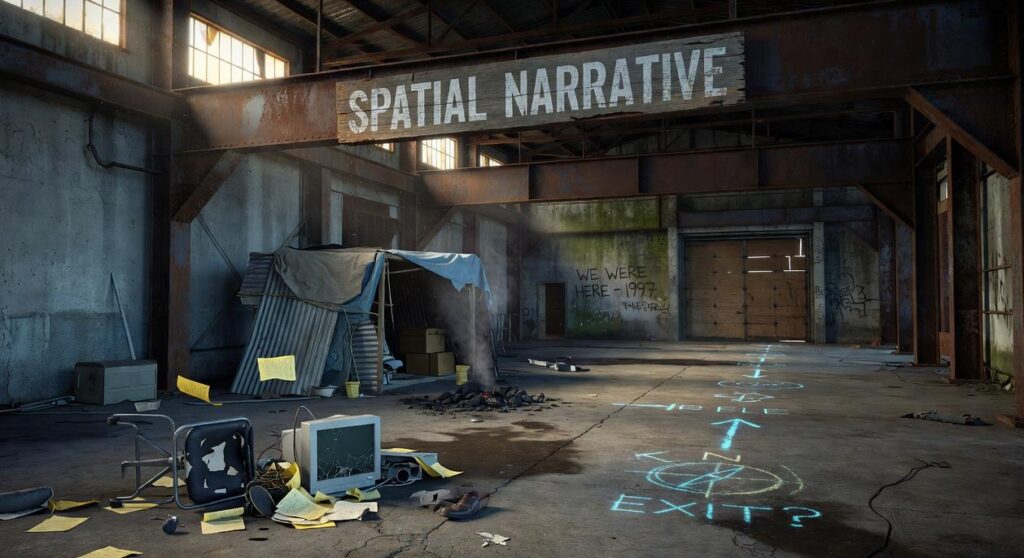
Great games don’t just entertain—they immerse. If you’re here, you’re looking to better understand how modern titles craft unforgettable experiences through mechanics, strategy, and video game world building. Whether you want sharper multiplayer performance, smarter gear optimization, or deeper insight into the lore that shapes your favorite virtual worlds, this article delivers exactly that.
We break down the most important elements driving today’s gaming landscape—from evolving metas and competitive tactics to the design philosophies behind expansive digital universes. Our analysis is grounded in hands-on gameplay, community trend tracking, and close study of patch updates and developer shifts, ensuring you get insights that are current, practical, and actionable.
By the end, you’ll not only understand what’s shaping the conversation in gaming right now—you’ll know how to apply it to your own playstyle and stay ahead of the curve.
Beyond Graphics: The Blueprint for Believable Worlds
A tech demo can flaunt ray tracing and 8K textures, yet still feel hollow. Meanwhile, the rain-slicked streets of Midgar or the haunted corridors of the USG Ishimura linger with you. That difference is immersion—the psychological pull that makes a player feel present inside a space. True immersion blends narrative design, environmental storytelling, lighting systems, spatial audio, and physics-driven interactivity. For example, dynamic sound propagation—where footsteps echo differently in metal corridors versus open plazas—grounds video game world building in believable cause and effect. You’ll master tools that transform simple maps into living worlds.
The Foundation: World-Building and Cohesive Lore
Start with an anecdote about loading into a gorgeous fantasy map—crystal towers, floating rocks—only to realize none of it made sense. I’ve played that game. Stunning visuals, zero logic. It felt like walking onto a movie set where the walls are just painted plywood (and yes, it broke immersion instantly).
Why Lore Matters First
Before a single asset is modeled, a world needs rules. Lore—the shared history, physics, cultures, and power structures of a setting—is the bedrock of believability. Tolkien didn’t start with cool swords; he built languages and lineages first (there’s a reason Middle-earth feels ancient).
The Design Bible
A design bible is a central document detailing history, factions, technology level, climate, and economy. It prevents contradictions—like steam-powered trains in a society that hasn’t invented metalworking.
Asking the Right Questions
What cataclysm shaped this land? Why is the city abandoned? Who built the ruins? How does trade function?
Actionable Tip
If a magical plague forced citizens underground, architecture becomes vertical shafts, enemies adapt to darkness, and puzzles revolve around scarce sunlight. One answer shapes everything in video game world building.
Environmental Storytelling: Showing, Not Telling
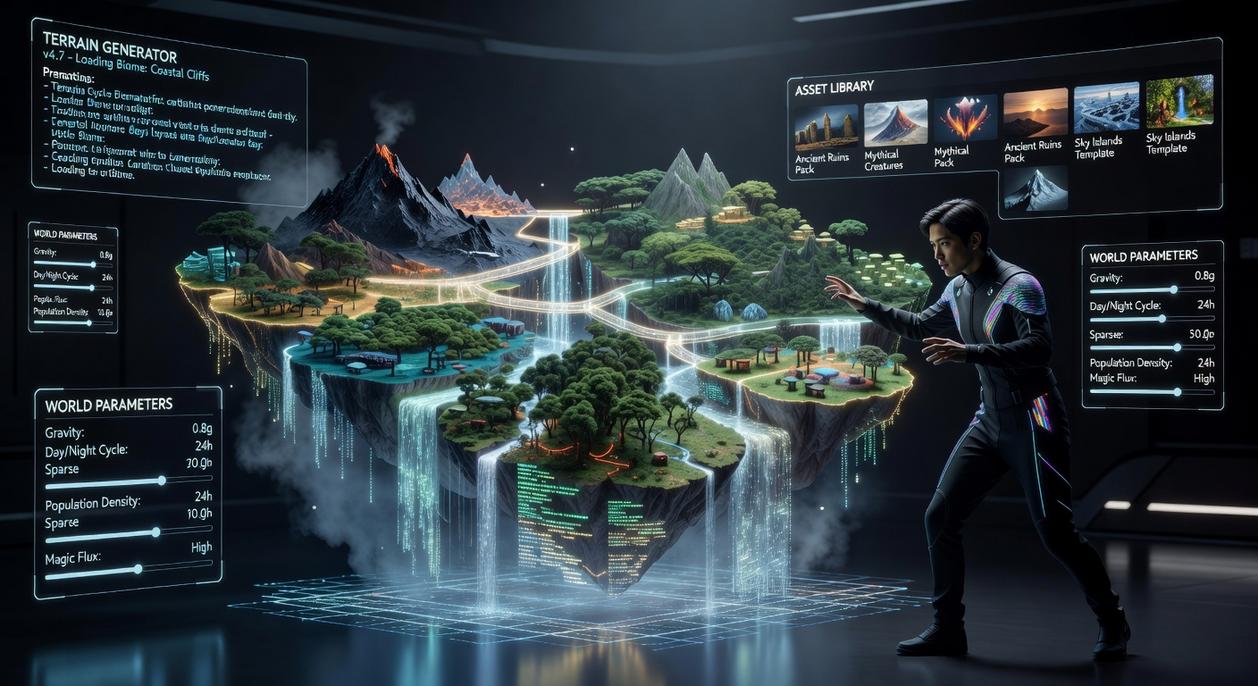
Environmental storytelling is the craft of using object placement, level design, and visual cues to communicate narrative without blunt exposition. Instead of a lore dump, the space itself whispers what happened. I’ve always believed this is where great design separates itself from the merely competent. Anyone can write a tragic backstory. Not everyone can stage one.
Picture a child’s teddy bear in a desolate military bunker. No dialogue needed. Or a throne room with two identical, competing thrones—suddenly, you feel a power struggle. A path worn into the stone floor leading to a hidden shrine suggests devotion, secrecy, maybe obsession.
In strong video game world building, the player becomes an archaeologist. They:
- Observe clues
- Form theories
- Assemble emotional context
The magic lies in discovery. When players connect dots themselves, the story sticks.
Pro tip: design small vignettes—a hastily abandoned card game, a failed scientific experiment—inside larger spaces. These frozen moments anchor history in something tangible. In my view, that’s far more immersive than any cutscene could ever be.
The Unseen Architect: Sound Design and Ambiance
I once played a beautifully rendered RPG that looked stunning—towering cliffs, dynamic weather, intricate armor. Yet something felt off. Then I muted the music and noticed the silence. No wind. No insects. No distant chatter. That’s when I learned the 50% Rule: audio often makes up half of immersion, yet it gets a fraction of the attention. A rich world with weak sound design feels hollow (like a movie set after the actors leave).
Sound works in layers. First, ambient soundscapes—continuous background audio like wind or wildlife. Then diegetic sounds, meaning noises that exist inside the world itself, such as footsteps changing on stone versus mud. Finally, reactive audio—sound that adapts, like muffled effects underwater or behind a door.
Some argue music drives emotion more than atmosphere. Sometimes, yes. But strategic silence can build tension better than any swelling score.
Try this: close your eyes and list ten sounds in your space. That awareness transforms video game world building.
For deeper immersion debates, see side quests vs main story which expands the game world more.
A world feels alive when it notices you. When grass bends as you brush past or snow keeps your footprints, the illusion holds. When nothing reacts, the spell breaks (and suddenly you’re just staring at polygons). In my view, responsiveness is the backbone of video game world building.
Of course, some argue hyper-interactivity wastes resources. They’d rather have bigger maps than reactive ones. I disagree. I’d take a smaller space that remembers me over a vast, static postcard any day.
Consider a spectrum of interaction:
- Subtle cues: swaying grass, echoing footsteps, doors that stay open.
- Systemic depth: NPCs with daily routines you can interrupt, buildings that crumble if pushed too far.
Then layer in dynamic systems—weather shifts, day/night cycles, predators hunting prey. These mechanics suggest the world exists beyond you.
Pro tip: Design three ways players can leave lasting marks—scarred terrain, changed reputations, rebuilt structures that persist forever.
The best technology disappears, letting art breathe. In game design, lighting, shaders, and physics engines aren’t trophies; they’re brushes on a canvas. Lighting dictates mood more than almost anything. Step beneath harsh, buzzing fluorescent strips and the air feels clinical, metallic, almost sour. Trade that glare for a flickering torch, shadows licking damp stone, and suddenly you smell smoke and ancient dust. Think of the awe when gold god rays spill through a forest canopy—it’s basically the opening of Skyrim.
Consistent physics makes that beauty believable. When a thrown bottle arcs, shatters, and skitters with the right clink, your brain accepts the rules. Cloth banners ripple in the wind; crates thud with weight. That predictability grounds players inside video game world building, turning spectacle into something tangible.
Pro tip: use light as a guide—brighten paths, halo points of interest, or let a glow hint at secrets, no HUD required.
From Blueprint to Breathing World
Immersion is never an accident; it is a careful blend of foundational lore, subtle environmental storytelling, rich audio design, and meaningful interactivity. Together, they transform mechanics into memory. The real goal, however, is simple: players should feel they are inhabiting another place and time, not merely pressing buttons.
While competitors obsess over scale, the overlooked advantage is intentional focus. Start small. Build a single room or quiet clearing and tell one specific story through its details. In video game world building, depth beats sprawl. After all, every unforgettable world began with these thoughtful, player-first foundations.
Level Up Your Next Adventure
You came here to sharpen your edge, master the meta, and better understand the systems shaping your favorite titles. Now you have the strategies, insights, and deeper context to move with confidence instead of guesswork.
Whether you’ve struggled with inefficient builds, confusing multiplayer shifts, or getting lost in complex video game world building, you’re no longer in the dark. You know how to adapt, optimize, and think one step ahead of the competition.
But staying ahead in gaming means staying updated. New patches drop. Metas evolve. Strategies shift overnight.
If you’re tired of falling behind or wasting hours on trial and error, it’s time to level up properly. Join thousands of dedicated players who rely on our expert breakdowns, meta analysis, and optimization guides to stay competitive. Dive into the latest guides now and start dominating your next session with confidence.