

If you’re looking to understand Psalm 23 in Papiamentu, you’ve come to the right place. I’ll present the complete text side-by-side with its English translation. This format makes it easy to compare and learn.
Let’s dive in.
A Deeper Understanding: Key Phrases and Their Meaning
SEÑOR ta mi wardador, mi’n tin falta di nada.
The opening line of Salmo 23 Papiamentu is rich with imagery and meaning. “Wardador” translates to shepherd or guardian, evoking a sense of protection and care. Imagine the warmth and security of a shepherd watching over his flock, guiding them through the night.
The phrase “mi’n tin falta di nada” (I have no want) suggests a deep contentment and trust in the shepherd’s provision. It’s like feeling the soft, comforting embrace of a warm blanket on a cold night.
In vaye di sombra di morto.
This phrase, “in the valley of the shadow of death,” paints a vivid and powerful picture. It’s an image that resonates across many languages and cultures. Think of a dark, narrow valley where the sun barely reaches, and shadows loom large.
The words evoke a sense of fear and uncertainty, but also a profound trust in the shepherd’s presence. It’s like hearing the distant echo of your own heartbeat in a silent, eerie place, yet feeling a calm assurance that you are not alone.
Bo bara i Bo garoti ta konsolá mi.
“Your rod and Your staff, they comfort me.” The rod and staff are tools of a shepherd, used for guidance and protection. The rod, a symbol of discipline, can be seen as a firm, steady hand guiding you. The staff, a symbol of support, feels like a sturdy, reliable crutch when you need it most.
Together, they create a sense of security and peace, like the gentle, rhythmic sound of a lullaby that soothes you to sleep.
Mi tabata mensa mesa diante di SEÑOR. salmo 23 papiamentu
The final verse speaks of dwelling in the house of the Lord, or “kas di SEÑOR.” This imagery conveys a sense of eternal security and belonging. Picture a grand, welcoming home, filled with light and warmth, where you can rest and find solace. It’s a place where all your needs are met, and you feel a deep, abiding peace.
It’s like the smell of a home-cooked meal, the sound of laughter, and the sight of loved ones gathered around the table.
Salmo 23 Papiamentu is a beautiful and profound text, full of sensory details that bring its spiritual message to life.
A Simple Guide to Pronouncing the Papiamentu Psalm
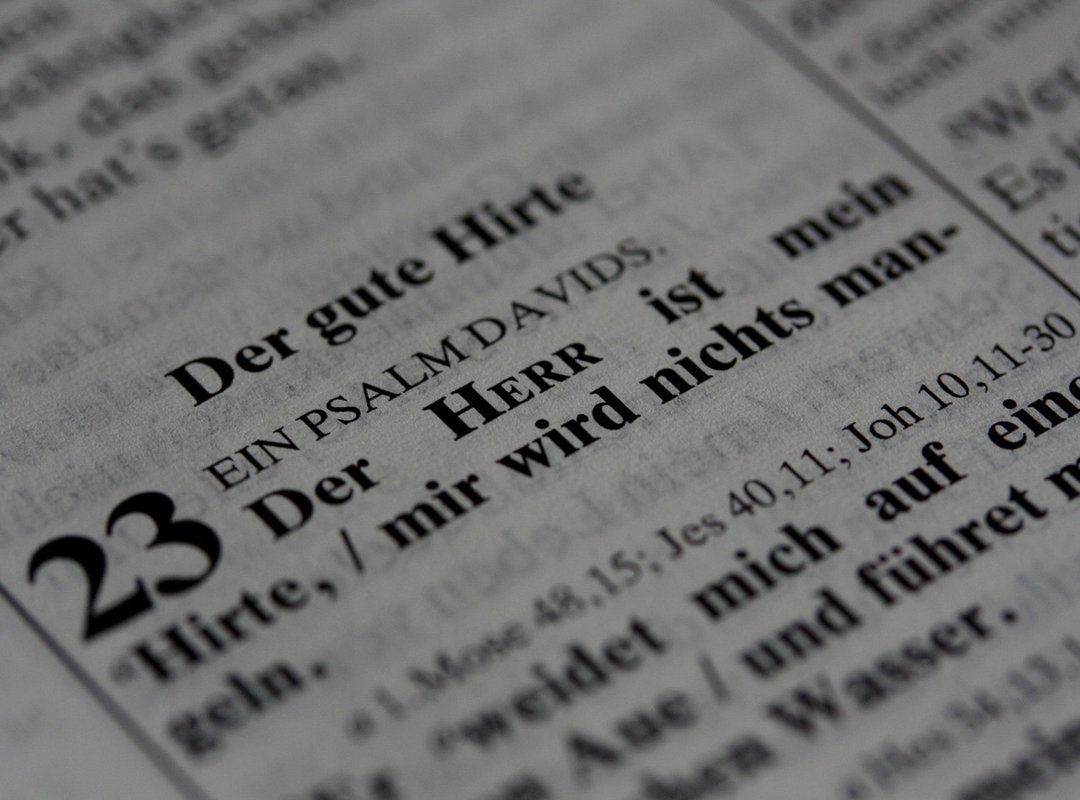
Papiamentu is a unique language, and pronouncing it can be tricky if you’re not familiar. But don’t worry, I’ve got you covered. Let’s break down some key words from salmo 23 papiamentu and give you a simple guide.
First, let’s look at a few basic pronunciation rules:
- The ‘ñ’ in Papiamentu is pronounced like ‘ny’ in the word “canyon.”
- The ‘dj’ sounds like ‘j’ in “judge.”
| Word | Pronunciation | Example |
|---|---|---|
| SEÑOR | sen-YOR | The ‘a’ in ‘kas’ sounds like the ‘a’ in ‘father’ |
| wardador | wah-dah-DOR | The ‘o’ in ‘for’ sounds like the ‘o’ in ‘hot’ |
| konsolá | kohn-soh-LAH | The ‘a’ in ‘kah’ sounds like the ‘a’ in ‘cat’ |
| pasku | pah-SKOO | The ‘u’ in ‘ku’ sounds like the ‘oo’ in ‘book’ |
| vaye | vah-YEH | The ‘e’ in ‘veh’ sounds like the ‘e’ in ‘bed’ |
Now that you have a basic idea, try reading the salmo 23 papiamentu aloud. Take it slow. Reading it out loud will help you get a feel for the rhythm and flow of the language.
Remember, practice makes perfect. Don’t be too hard on yourself if you stumble. Just keep going, and you’ll start to notice the patterns and sounds more clearly.
The Cultural Significance in Aruba, Bonaire, and Curaçao
In the Papiamentu-speaking Christian communities of the Dutch Caribbean, salmo 23 papiamentu holds a profound place. This psalm is often recited during church services, funerals, and as a prayer of comfort during challenging times.
The use of scripture in one’s native language, like Papiamentu, deepens personal connection and cultural identity. It allows for a more intimate and meaningful engagement with the text.
The imagery of the ‘Good Shepherd’ providing guidance and protection resonates strongly in these historically seafaring and tight-knit island communities. This message offers solace and reassurance, reflecting the values and experiences of the people.
Understanding the context helps readers appreciate the psalm not just as a translation, but as a living piece of faith and culture.
 Anthony Currieronalds is the kind of writer who genuinely cannot publish something without checking it twice. Maybe three times. They came to gamer gear optimization tricks through years of hands-on work rather than theory, which means the things they writes about — Gamer Gear Optimization Tricks, Insider Tips, Virtual World Exploration and Lore, among other areas — are things they has actually tested, questioned, and revised opinions on more than once.
That shows in the work. Anthony's pieces tend to go a level deeper than most. Not in a way that becomes unreadable, but in a way that makes you realize you'd been missing something important. They has a habit of finding the detail that everybody else glosses over and making it the center of the story — which sounds simple, but takes a rare combination of curiosity and patience to pull off consistently. The writing never feels rushed. It feels like someone who sat with the subject long enough to actually understand it.
Outside of specific topics, what Anthony cares about most is whether the reader walks away with something useful. Not impressed. Not entertained. Useful. That's a harder bar to clear than it sounds, and they clears it more often than not — which is why readers tend to remember Anthony's articles long after they've forgotten the headline.
Anthony Currieronalds is the kind of writer who genuinely cannot publish something without checking it twice. Maybe three times. They came to gamer gear optimization tricks through years of hands-on work rather than theory, which means the things they writes about — Gamer Gear Optimization Tricks, Insider Tips, Virtual World Exploration and Lore, among other areas — are things they has actually tested, questioned, and revised opinions on more than once.
That shows in the work. Anthony's pieces tend to go a level deeper than most. Not in a way that becomes unreadable, but in a way that makes you realize you'd been missing something important. They has a habit of finding the detail that everybody else glosses over and making it the center of the story — which sounds simple, but takes a rare combination of curiosity and patience to pull off consistently. The writing never feels rushed. It feels like someone who sat with the subject long enough to actually understand it.
Outside of specific topics, what Anthony cares about most is whether the reader walks away with something useful. Not impressed. Not entertained. Useful. That's a harder bar to clear than it sounds, and they clears it more often than not — which is why readers tend to remember Anthony's articles long after they've forgotten the headline.