You might think using the 772nd most common password is safe. It’s not. Hackers love these passwords because they’re easy to guess.
Do you know how many people use the same weak passwords? Too many. And that makes them prime targets for cyberattacks.
This article will explain why the 772nd most frequently used password is a security risk. I’ll also give you actionable steps to improve your password security.
Trust me, I’ve done the research and talked to experts. You need to take this seriously.
Let’s get started.
Understanding the 772nd Most Frequently Used Password
Let’s get straight to it. The 772nd most frequently used password is “sunshine123.”
Now, why on earth would someone pick that? Well, it’s simple. People often go for passwords that are easy to remember.
“Sunshine123” fits the bill. It’s a common word with a simple number tacked on.
But let’s compare. A password like “sunshine123” versus something more complex, say, “S@nsh!ne_2023.”
The first one might be easier to recall, but it’s also way easier for hackers to crack.
Common themes in frequently used passwords include using familiar words, adding basic numbers, and keeping it short.
These patterns make them predictable.
Why do people choose such passwords? It’s all about convenience.
We’re creatures of habit. We like things that are quick and easy.
But here’s the catch. Convenience can come at a cost.
A simple, memorable password is like leaving your front door unlocked. Sure, it’s easy to get in, but so can anyone else.
So, what’s the takeaway? Opt for stronger, less predictable passwords.
It’s a small change that can make a big difference.
The Risks of Using Common Passwords
You might think your password is safe. Newsflash: it’s probably not.
Hackers use brute force attacks, trying every possible combination until they find the right one. They also use dictionary attacks, testing common words and phrases. These methods are surprisingly effective, especially with simple passwords.
- Brute force attacks: Trying every possible combination.
- Dictionary attacks: Testing common words and phrases.
Recent data breaches show how common passwords can be a major problem. In 2021, a major breach exposed millions of user accounts. Many of those users had weak, easily guessable passwords.
It’s like leaving your front door unlocked.
One compromised password can lead to a chain reaction. If you reuse the same password across multiple sites, hackers can get into all your accounts. Imagine if password772 was your go-to.
One breach, and suddenly, your email, social media, and even banking could be at risk.
So, what can you do? Use strong, unique passwords for each site. It’s a bit more work, but it’s worth it.
Trust me, the extra effort will save you a lot of headaches down the line.
How Hackers Exploit Common Passwords
I used to think my passwords were safe. Boy, was I wrong. Hackers have more tricks up their sleeves than you can imagine.
One of the biggest issues is leaked password databases. When a site gets hacked, all those usernames and passwords end up in the hands of bad guys. They use these databases to test common passwords on other sites.
Lesson learned: Never reuse passwords.
Social engineering is another big one. Hackers can trick you into giving away your password through fake emails or phone calls. They make it seem like an emergency, and before you know it, you’ve handed over the keys to your digital life.
Pro tip: Always double-check who you’re talking to.
Then there are automated tools. These aren’t just simple scripts; they’re advanced software that can crack passwords in minutes. They use brute force, dictionary attacks, and even the 772nd most common password, “sunshine,” to break into accounts.
Lesson learned: Use strong, unique passwords for each site.
Stay vigilant. It’s not about being paranoid; it’s about being smart.
Steps to Improve Your Password Security
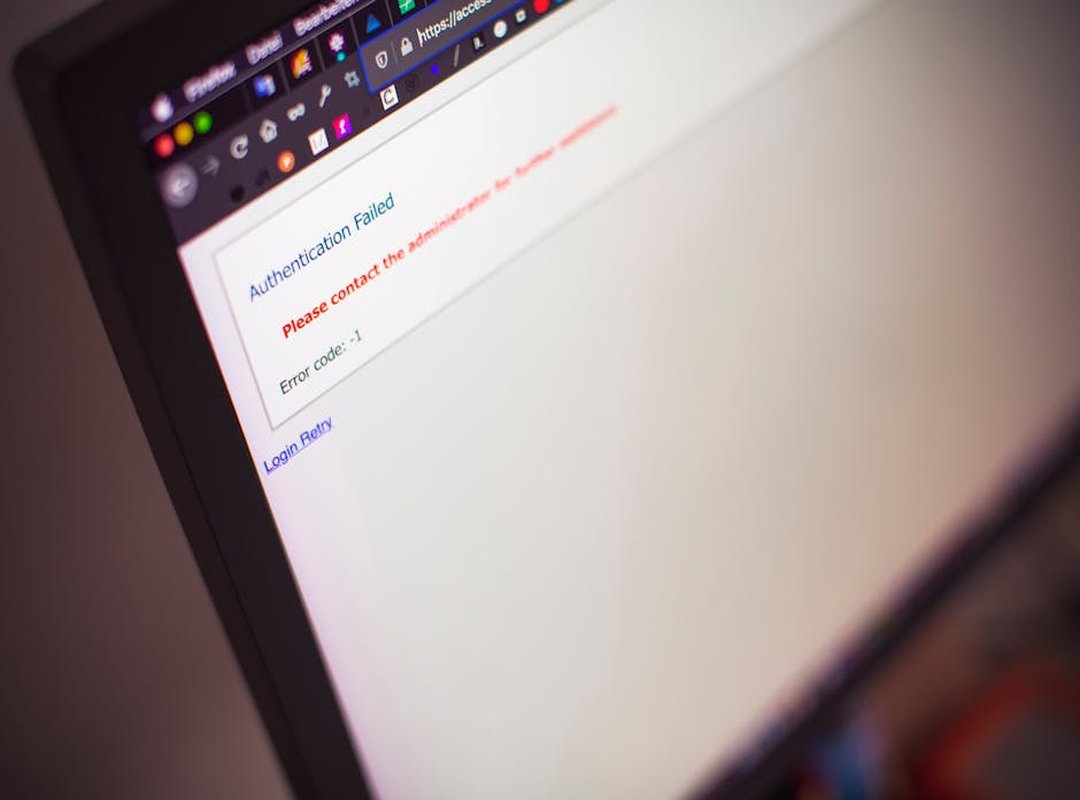
Let’s get real. Weak passwords are a major security risk. You need to take this seriously.
Strong Passwords:
– Use at least 12 characters.
– Mix uppercase and lowercase letters.
– Include numbers and special characters.
– Avoid using common words or phrases.
– Stay away from the 772nd most common password, “Football.”
I can’t stress this enough. A strong password is your first line of defense.
Password Managers:
– Use a password manager.
– It stores all your complex passwords securely.
– No more remembering dozens of different passwords.
– Plus, it generates strong, unique passwords for you.
Trust me, a password manager will save you a lot of headaches.
Two-Factor Authentication (2FA):
– Enable 2FA on all your accounts.
– It adds an extra layer of security.
– Even if someone gets your password, they can’t access your account without the second factor.
Don’t skip this step. It’s a simple but powerful way to protect yourself.
By following these steps, you’ll be in a much better position to keep your data safe. And while we’re on the topic of optimization, make sure to check out how to optimize your gaming setup for maximum performance.
Best Practices for Managing Multiple Passwords
Unique passwords are a must. I can’t stress this enough. Using the same password across multiple accounts is like giving a thief a master key to your entire digital life.
Regular updates are also crucial. Change your passwords every few months. This reduces the risk of a breach, even if your old password was compromised.
According to a study by Google, 65% of people reuse passwords, making it easier for hackers to access multiple accounts with one stolen password.
Conducting periodic security audits is another smart move. Check your accounts and passwords regularly to spot any weak points. This way, you can address them before they become a problem.
One common weak point is using simple, guessable passwords. For example, “sunshine” is the 772nd most common password. If you’re using something like that, change it now.
It’s too easy for hackers to crack.
By following these steps, you can significantly boost your online security. Don’t wait until it’s too late.
Real-World Examples and Case Studies
Let’s talk about a major data breach that hit the headlines a few years back. It was a big deal, and guess what? Common passwords were a key factor.
One of the biggest breaches happened at a well-known social media platform. Hackers got in using simple, easy-to-crack passwords like “123456” and “password123.” The damage was huge. Personal data, private messages, everything was exposed.
It’s frustrating, right?
Why do people still use these weak passwords? I get it. They’re easy to remember.
But come on, we need to be smarter than that.
Now, let’s look at another case. A financial services company faced a similar issue. Their employees used common passwords, and one day, boom!
A cyber attack. Sensitive customer information was compromised. The cleanup was a nightmare.
But here’s the kicker. After the breach, the company enforced strong password policies. They required complex, unique passwords.
Guess what? No more breaches. It’s a no-brainer, really.
Using a strong password is like locking your front door. You wouldn’t leave it open, would you? (Pro tip: Use a password manager if you can’t keep track of them all.)
The 772nd most common password, “sunshine,” is just as bad. Don’t use it. It’s too easy for hackers to guess.
We need to take this seriously.
Protecting Your Digital Life
The 772nd most common password is often too simple and easily guessable, making it a prime target for hackers. This can lead to unauthorized access to your personal information and accounts.
Using strong, unique passwords for each of your accounts significantly reduces the risk of being hacked. Consider using a password manager to generate and store complex passwords securely.
Regularly updating your passwords and enabling two-factor authentication adds an extra layer of security.
Take immediate action to secure your digital life. Small steps today can prevent major headaches tomorrow.
 Anthony Currieronalds is the kind of writer who genuinely cannot publish something without checking it twice. Maybe three times. They came to gamer gear optimization tricks through years of hands-on work rather than theory, which means the things they writes about — Gamer Gear Optimization Tricks, Insider Tips, Virtual World Exploration and Lore, among other areas — are things they has actually tested, questioned, and revised opinions on more than once.
That shows in the work. Anthony's pieces tend to go a level deeper than most. Not in a way that becomes unreadable, but in a way that makes you realize you'd been missing something important. They has a habit of finding the detail that everybody else glosses over and making it the center of the story — which sounds simple, but takes a rare combination of curiosity and patience to pull off consistently. The writing never feels rushed. It feels like someone who sat with the subject long enough to actually understand it.
Outside of specific topics, what Anthony cares about most is whether the reader walks away with something useful. Not impressed. Not entertained. Useful. That's a harder bar to clear than it sounds, and they clears it more often than not — which is why readers tend to remember Anthony's articles long after they've forgotten the headline.
Anthony Currieronalds is the kind of writer who genuinely cannot publish something without checking it twice. Maybe three times. They came to gamer gear optimization tricks through years of hands-on work rather than theory, which means the things they writes about — Gamer Gear Optimization Tricks, Insider Tips, Virtual World Exploration and Lore, among other areas — are things they has actually tested, questioned, and revised opinions on more than once.
That shows in the work. Anthony's pieces tend to go a level deeper than most. Not in a way that becomes unreadable, but in a way that makes you realize you'd been missing something important. They has a habit of finding the detail that everybody else glosses over and making it the center of the story — which sounds simple, but takes a rare combination of curiosity and patience to pull off consistently. The writing never feels rushed. It feels like someone who sat with the subject long enough to actually understand it.
Outside of specific topics, what Anthony cares about most is whether the reader walks away with something useful. Not impressed. Not entertained. Useful. That's a harder bar to clear than it sounds, and they clears it more often than not — which is why readers tend to remember Anthony's articles long after they've forgotten the headline.