
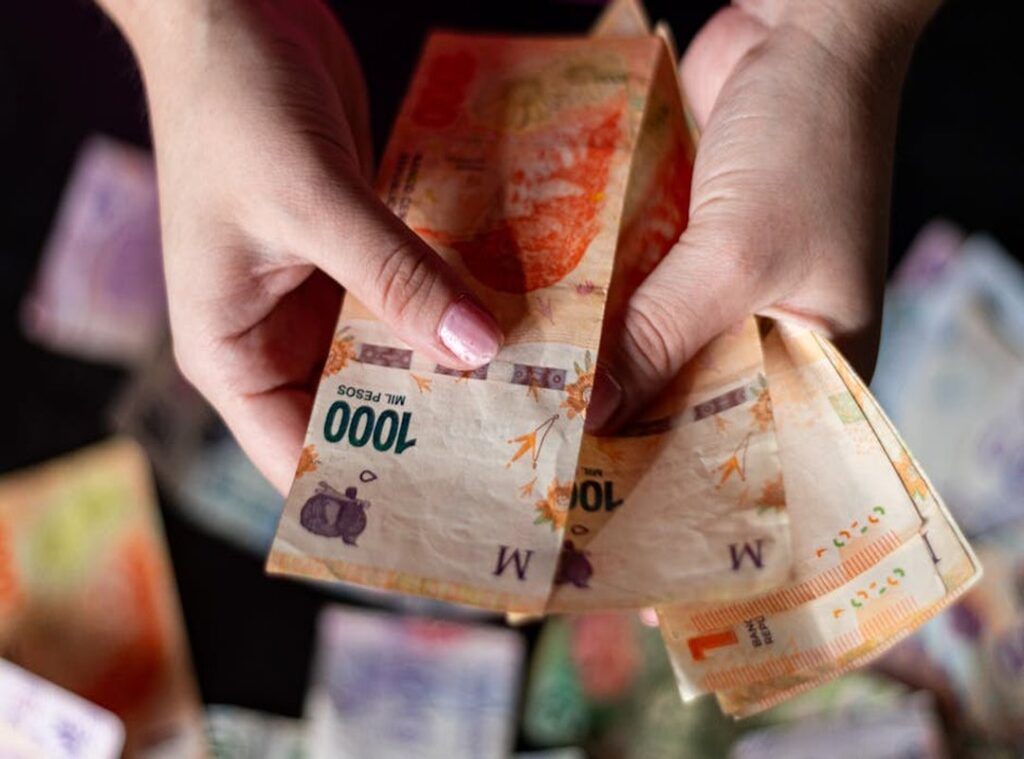
You want to know how many 27000 pesos mexicanos a pesos chilenos is, right? Exchange rates can be a real headache. They change all the time, and it’s hard to know if you’re getting a fair deal.
This article will give you the current conversion rate. But that’s not all. We’ll also break down the factors that affect the rate.
So, whether you’re planning a trip, sending money, or just curious, you’ll get all the essential details here. Trust me, I’ve been there too. Let’s dive in.
The Current Value: What 27,000 MXN is Worth in CLP Today
Today, 27,000 MXN is approximately 648,000 CLP.
Let’s break it down:
1. Find the current mid-market rate for MXN to CLP.
2. Multiply that rate by 27,000.
The mid-market rate is the real exchange rate without the hidden fees that banks and conversion services add. It’s what you’d see if you were to look at the global financial markets directly.
This rate fluctuates daily, so the amount you receive will depend on the service you use. Some services might offer better rates than others, but they all start with this mid-market rate.
I suggest bookmarking a reliable currency converter tool for real-time rates. This way, you can always get the most accurate conversion for 27000 pesos mexicanos a pesos chilenos.
Behind the Numbers: Why the MXN to CLP Exchange Rate Fluctuates
Let’s talk about floating exchange rates. It’s simple. The value of a currency, like the Mexican peso (MXN) or the Chilean peso (CLP), isn’t fixed.
It changes based on supply and demand in the global market.
Economic health is a big deal. When Mexico and Chile have strong economies, their currencies tend to be stronger too. Inflation and GDP growth are key.
If one country has high inflation, its currency might weaken. If another has robust GDP growth, its currency might strengthen.
Interest rates matter a lot. Banco de México and the Central Bank of Chile set these rates. Higher interest rates can attract foreign investors, boosting the currency.
Lower rates can do the opposite. It’s a delicate balance.
Commodity prices also play a role. Mexico relies heavily on oil exports. When oil prices go up, the MXN tends to strengthen.
Chile, on the other hand, is known for copper. High copper prices can make the CLP more valuable.
These factors create a dynamic market. That’s why the rate you see today might be different tomorrow. For example, 27000 pesos mexicanos a pesos chilenos can fluctuate based on these factors.
In short, it’s not just about following the news. It’s about understanding how these elements interact.
How to Get the Best Exchange Rate: 3 Smart Methods (and 1 to Avoid)

I was in Chile a few years back, and I made a rookie mistake. I exchanged my money at the airport, and let me tell you, it was a costly lesson.
Method 1: Online Money Transfer Services
Use services like Wise or Remitly. They offer rates close to the mid-market rate with transparent fees. This is ideal for sending money to someone.
Method 2: Travel-Focused Debit/Credit Cards
Get a card with no foreign transaction fees. These cards automatically give you a competitive exchange rate when you make purchases or withdraw from an ATM in Chile.
Method 3: Reputable Currency Exchange Houses
If you must use cash, avoid airport kiosks. Find a well-reviewed exchange house in a major Chilean city. It’s a better option.
The Method to Avoid: Airport Currency Exchange Kiosks
These services offer the worst rates and highest fees. Why? Convenience and a captive audience.
Don’t fall for it.
Planning your currency exchange in advance will always save you money. Trust me on this one.
For example, if you need to convert 27000 pesos mexicanos a pesos chilenos, using an online service or a travel-focused card will get you a much better deal than an airport kiosk.
So, before you head out, do a bit of research. It can make a big difference. And if you’re into gaming, check out this guide for some interesting reads.
Putting Your Money to Use: What Your CLP Buys in Chile
When you’re traveling, it’s frustrating to not know what your money can buy. Let’s break it down.
- A cup of coffee in Santiago: around 1,500 CLP
- A ‘menú del día’ (lunch special): about 4,000 CLP
- A metro ride: 700 CLP
- A bottle of good Chilean wine: 8,000 CLP
These are just rough estimates, but they give you a sense of what you can get for your pesos.
Credit and debit cards are widely accepted in cities, which is great. But here’s the catch: smaller towns, local markets, and tips often require cash (efectivo). It’s a pain, but it’s a reality.
Tipping culture in Chile is pretty straightforward. Most restaurants add a 10% ‘propina sugerida’ to the bill. You can adjust this based on service, but it’s a good starting point.
Oh, and if you’re converting from other currencies, 27000 pesos mexicanos a pesos chilenos will give you a decent amount to start with. Just make sure to have some cash on hand for those small, unexpected expenses.
Making Your 27,000 Pesos Go Further
The key takeaway is that converting 27000 pesos mexicanos a pesos chilenos involves more than just knowing the daily rate. It’s about understanding how to get the most value from the exchange. You no longer have to guess if you’re getting a fair deal.
Always check the mid-market rate and choose a low-fee conversion method like an online service or a travel-friendly card. With this knowledge, you can make your financial transactions and travels more cost-effective and stress-free.
 Anthony Currieronalds is the kind of writer who genuinely cannot publish something without checking it twice. Maybe three times. They came to gamer gear optimization tricks through years of hands-on work rather than theory, which means the things they writes about — Gamer Gear Optimization Tricks, Insider Tips, Virtual World Exploration and Lore, among other areas — are things they has actually tested, questioned, and revised opinions on more than once.
That shows in the work. Anthony's pieces tend to go a level deeper than most. Not in a way that becomes unreadable, but in a way that makes you realize you'd been missing something important. They has a habit of finding the detail that everybody else glosses over and making it the center of the story — which sounds simple, but takes a rare combination of curiosity and patience to pull off consistently. The writing never feels rushed. It feels like someone who sat with the subject long enough to actually understand it.
Outside of specific topics, what Anthony cares about most is whether the reader walks away with something useful. Not impressed. Not entertained. Useful. That's a harder bar to clear than it sounds, and they clears it more often than not — which is why readers tend to remember Anthony's articles long after they've forgotten the headline.
Anthony Currieronalds is the kind of writer who genuinely cannot publish something without checking it twice. Maybe three times. They came to gamer gear optimization tricks through years of hands-on work rather than theory, which means the things they writes about — Gamer Gear Optimization Tricks, Insider Tips, Virtual World Exploration and Lore, among other areas — are things they has actually tested, questioned, and revised opinions on more than once.
That shows in the work. Anthony's pieces tend to go a level deeper than most. Not in a way that becomes unreadable, but in a way that makes you realize you'd been missing something important. They has a habit of finding the detail that everybody else glosses over and making it the center of the story — which sounds simple, but takes a rare combination of curiosity and patience to pull off consistently. The writing never feels rushed. It feels like someone who sat with the subject long enough to actually understand it.
Outside of specific topics, what Anthony cares about most is whether the reader walks away with something useful. Not impressed. Not entertained. Useful. That's a harder bar to clear than it sounds, and they clears it more often than not — which is why readers tend to remember Anthony's articles long after they've forgotten the headline.