
If you’re diving into today’s biggest games, you’re not just looking for surface-level tips—you want the strategies, systems, and story layers that actually shape how the game is played. This article is built for that exact purpose. Whether you’re chasing a stronger multiplayer meta, optimizing your gear for endgame content, or exploring deeper narrative threads through rpg lore analysis, you’ll find clear, focused insights designed to elevate your experience.
We break down complex mechanics into practical takeaways, connect gameplay systems to the worlds they exist in, and highlight the subtle details many players miss. Every section is grounded in hands-on analysis of current metas, evolving patches, and community-driven discoveries, ensuring the guidance reflects how the game is truly being played right now.
If you want sharper strategies, smarter builds, and a deeper understanding of the virtual worlds you explore, you’re in the right place.
Beyond the Main Quest: Unlocking the Soul of an RPG
Finishing the campaign isn’t the same as understanding it. I’ve rushed credits before and felt oddly empty, like skipping the final chapter of a novel. The real magic lives in tavern rumors, item descriptions, environmental scars—details begging for rpg lore analysis. Some players argue that overanalyzing kills the fun. I disagree. Digging deeper makes victories feel earned. Think of it like rewatching The Lord of the Rings and finally noticing Boromir’s subtle arc. When you treat side quests as clues, you stop grinding and start investigating. That shift turns a player into a narrative detective. It changes everything, honestly forever.
Environmental Storytelling: How the World Speaks to You
Environmental storytelling is the art of conveying narrative through level design, asset placement, and architecture rather than cutscenes or dialogue. In RPGs especially, the map is a manuscript. A collapsed skybridge in a once-prosperous capital signals siege warfare. An overgrown temple swallowed by vines suggests a faith abandoned—or outlawed—centuries ago.
Walk through a ruined port city and notice the details: scorch marks clustered near the gates, barricades built from merchant carts, statues defaced but not toppled. That layout implies a desperate last stand, not a natural disaster. In contrast, a noble’s manor with silverware still set but thick dust on the chandeliers tells you the residents fled quickly (no dramatic monologue required).
This is where rpg lore analysis sharpens your eye. Look for narrative signposting:
- Skeletons angled toward a sealed crypt often warn of a trap.
- Bookshelves stocked with heretical texts hint at political dissent.
- Shifts from gothic arches to brutalist stonework can mark regime change.
Consider how regions transition. In many open-world titles, fertile river valleys feature ornate temples and trade hubs, while borderlands rely on timber palisades and cramped watchtowers. Architecture becomes ideology in stone.
Some argue this is overreading set dressing. Not every broken cart is symbolic. True. But designers operate with intentional spatial logic—especially in AAA hubs like Novigrad-style cities or FromSoftware’s interlocked fortresses.
Pro tip: Pause and rotate the camera before looting. The room often explains the fight you just survived.
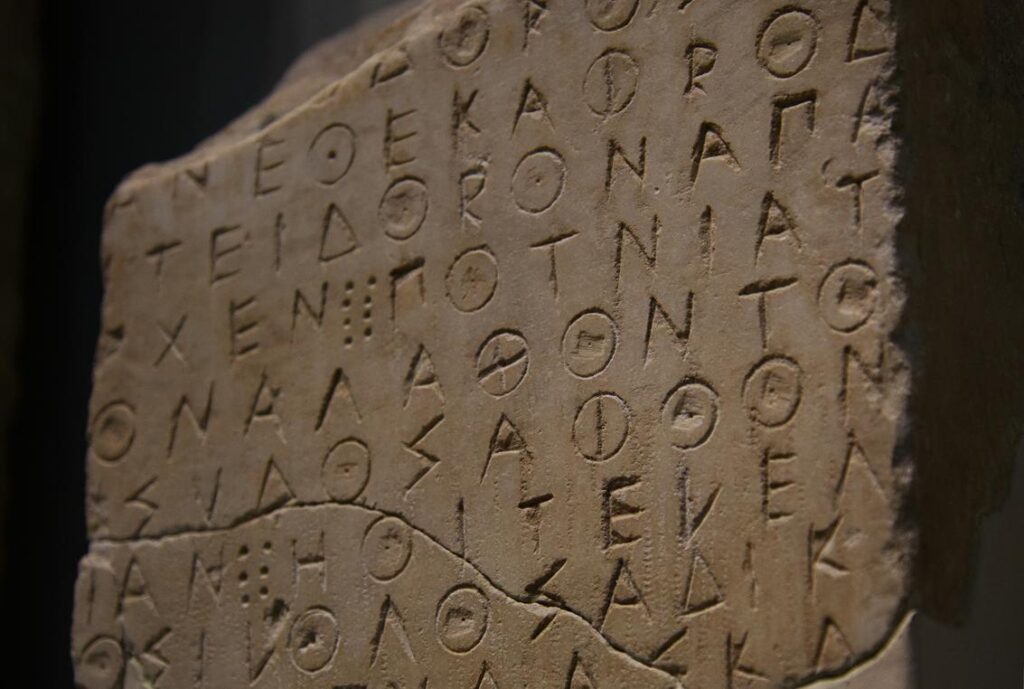
The Archaeologist’s Toolkit: Deciphering In-Game Texts

Most players treat item descriptions, scattered journals, and dusty data logs as flavor text—nice worldbuilding, nothing more. I disagree. These fragments are primary source documents, the closest thing a game gives you to raw historical evidence. Ignore them, and you’re basically speed-running past the plot.
In historical research, a primary source means material created during the time under study—letters, decrees, eyewitness accounts. In games, that’s your rusted sword inscription or a panicked scientist’s final log. They aren’t commentary. They’re the record.
However, assembling truth from fragments requires more than casual reading. Think like a detective. Start by:
- Listing recurring names, factions, and locations.
- Noting dates or implied sequences of events.
- Comparing conflicting accounts for inconsistencies.
Gradually, a timeline emerges. A knight’s boast about “defending the capital” might align—or clash—with a survivor’s journal describing its fall. That tension is the story.
The Myth of Objective Lore
Here’s the contrarian take: not every in-game text is reliable. Players often assume written equals factual. But authorial bias—the perspective and agenda shaping a narrator’s account—matters. A general’s letter might be propaganda. A cultist’s diary could exaggerate miracles. (History is written by the victors, even in fantasy realms.)
That’s why rpg lore analysis works best when you map connections visually or mentally. Draw lines between characters. Track shifting alliances. Over time, contradictions stop being errors and start revealing larger truths—like peeling back layers of an onion, minus the tears.
Living Lore: Character Backstories as World-Building
Companion and key NPC backstories aren’t just flavor text—they’re living archives of a game’s culture. In fact, a single tragic knight or exiled mage can reveal more about a kingdom than a dozen codex entries. Think about how a disgraced guard hints at corrupt leadership, or how a wandering healer reflects a society fractured by war. These stories aren’t side dishes. They’re the main course (even if they look like garnish).
Some players argue that lore should stay in dedicated journals or environmental details. After all, not everyone wants long conversations mid-quest. Fair point. However, character-driven storytelling makes the world personal. When you feel a dockworker’s debt struggles, you understand the economy. When a priest questions their faith, you glimpse religious doctrine in motion.
So what should you do?
- Exhaust companion dialogue trees, especially after major plot events
- Revisit towns to hear updated incidental NPC chatter
- Compare multiple characters’ perspectives on the same conflict
- Take notes like you’re doing rpg lore analysis
For deeper immersion, study proven world building techniques that make games feel alive.
Pro tip: Minor NPC complaints often foreshadow major political shifts. Listen closely. (Yes, even to the grumpy baker.)
When Mechanics Tell a Story: Gameplay as Narrative
In great games, systems aren’t just buttons and numbers; they’re CONFESSIONS about the world. When a magic system demands sacrifice—health, memories, companions—it’s not busywork. It’s cosmology in motion, a thesis that power costs something real. Think Fullmetal Alchemist’s equivalent exchange: you don’t get something for nothing. The rule is the lore.
Likewise, a reputation meter that barely budges isn’t “bad design.” It signals a rigid society, the kind that cancels you faster than a viral tweet. If forgiveness requires quests, time, and penance, that friction mirrors the culture’s values.
This is where rpg lore analysis becomes essential. Ask why stamina drains so quickly, why fast travel is scarce, why death is permanent. DARK SOULS didn’t just punish players; it preached decay and persistence.
Pro tip: when a mechanic frustrates you, pause before blaming balance. The system might be telling a story.
Becoming a Master of Virtual Worlds
You already know there’s more beneath your favorite RPG’s surface. Now you have the tools to uncover it. By reading the environment, cross-referencing texts, analyzing characters, and linking mechanics to lore, you transform casual play into intentional discovery. This is rpg lore analysis in action. Instead of rushing quests, you start noticing environmental storytelling, unreliable narrators, and mechanics that echo a world’s history. Consequently, every map feels like an archaeological dig (Indiana Jones hat optional). The payoff is simple: deeper immersion, smarter decisions, and richer playthroughs. Apply this framework to your next RPG today.
You came here to level up your understanding of today’s most talked-about games—and now you have the edge. From smarter builds and tighter multiplayer tactics to deeper rpg lore analysis, you’re equipped to approach your next session with clarity and confidence.
The frustration of missing hidden mechanics, falling behind the meta, or overlooking crucial story details doesn’t have to hold you back anymore. When you understand the systems, the lore, and the strategy behind the screen, every quest becomes intentional—and every win more satisfying.
Ready to Dominate Your Next Session?
Don’t let confusing mechanics or evolving metas slow you down. Get the insights, breakdowns, and rpg lore analysis serious players rely on to stay ahead. Join thousands of dedicated gamers who trust our in-depth strategies and optimization guides to sharpen their play. Dive in now, master your game, and turn every login into a victory.
 Xandria Ollvain has opinions about virtual world exploration and lore. Informed ones, backed by real experience — but opinions nonetheless, and they doesn't try to disguise them as neutral observation. They thinks a lot of what gets written about Virtual World Exploration and Lore, Hot Topics in Gaming, Gamer Gear Optimization Tricks is either too cautious to be useful or too confident to be credible, and they's work tends to sit deliberately in the space between those two failure modes.
Reading Xandria's pieces, you get the sense of someone who has thought about this stuff seriously and arrived at actual conclusions — not just collected a range of perspectives and declined to pick one. That can be uncomfortable when they lands on something you disagree with. It's also why the writing is worth engaging with. Xandria isn't interested in telling people what they want to hear. They is interested in telling them what they actually thinks, with enough reasoning behind it that you can push back if you want to. That kind of intellectual honesty is rarer than it should be.
What Xandria is best at is the moment when a familiar topic reveals something unexpected — when the conventional wisdom turns out to be slightly off, or when a small shift in framing changes everything. They finds those moments consistently, which is why they's work tends to generate real discussion rather than just passive agreement.
Xandria Ollvain has opinions about virtual world exploration and lore. Informed ones, backed by real experience — but opinions nonetheless, and they doesn't try to disguise them as neutral observation. They thinks a lot of what gets written about Virtual World Exploration and Lore, Hot Topics in Gaming, Gamer Gear Optimization Tricks is either too cautious to be useful or too confident to be credible, and they's work tends to sit deliberately in the space between those two failure modes.
Reading Xandria's pieces, you get the sense of someone who has thought about this stuff seriously and arrived at actual conclusions — not just collected a range of perspectives and declined to pick one. That can be uncomfortable when they lands on something you disagree with. It's also why the writing is worth engaging with. Xandria isn't interested in telling people what they want to hear. They is interested in telling them what they actually thinks, with enough reasoning behind it that you can push back if you want to. That kind of intellectual honesty is rarer than it should be.
What Xandria is best at is the moment when a familiar topic reveals something unexpected — when the conventional wisdom turns out to be slightly off, or when a small shift in framing changes everything. They finds those moments consistently, which is why they's work tends to generate real discussion rather than just passive agreement.