I get it. You’ve got this default controller. It does its job, but it feels like a stranger in your hands.
Why settle for a generic experience when you can have something that truly reflects your style? A custom gaming controller isn’t just about looks; it’s about optimizing your gameplay. I’ve spent years tinkering with countless configurations, hunting for that perfect setup.
Trust me, I’ve seen it all. This isn’t just another guide. It’s your roadmap to personalizing your gaming experience.
By the end, you’ll know exactly how to design or choose a controller that’s uniquely yours.
Personalized Controllers: Your Gaming Identity
When we talk about custom gaming controllers, it isn’t just slapping on a new paint job. It’s a whole world. Imagine customizing a car: some folks just want a shiny new color, while others need a turbocharged engine.
Controllers are the same. You can focus on aesthetics (how it looks and feels) or performance (how it functions). These two paths create a spectrum of personalization.
Why does it matter? A personalized controller isn’t just about showing off. It’s about comfort, expression, and gaining a real competitive edge.
The design might match your gaming persona, or those tweaks might shave milliseconds off your reaction time.
Does this sound like just a vanity project? It’s more than that. It changes your game.
Customizing isn’t just cosmetic; it can boost your in-game performance a lot.
And here’s a pro tip: Not every gamer needs a wild setup. Some just want that tactile satisfaction of a perfect button press. Others might prefer a different path, like Keyboard Mouse Setup Pro Gamers, for precision and speed.
Either way, your controller becomes part of your gaming DNA. The choice is yours: look good or play better. Or why not both?
DIY or Pro: The Gamer’s Dilemma
Every gamer hits this crossroad: should you build a custom gaming controller yourself or let the pros handle it? Let’s talk about the DIY route first. Yes, it’s tempting.
You get ultimate control over every component. It’s like piecing together a puzzle where you decide every single piece. Plus, there’s that sweet sense of accomplishment when you power it up for the first time.
But let’s be real. DIY isn’t just a walk in the park. You risk damaging the controller (and let’s not forget voiding that precious warranty).
It’s time-consuming and requires specific tools. Got a prying tool or the right screwdrivers? You better have them.
If not, you’re setting yourself up for frustration. And hey, not everyone wants to spend hours hunched over a workbench, right?
Now, onto the pros of using a professional service. The quality is top-notch. You get access to advanced mods like digital triggers without breaking a sweat.
Just hand over your specs and wait. They handle the nitty-gritty, saving you time and hassle. But, of course, there’s a catch.
A higher cost and the wait. You’re less hands-on too, which might not sit well if you crave that personal touch.
So, what’s the verdict? If you’re tight on budget and love getting your hands dirty, DIY could be your thing. But if you prefer stress-free perfection, maybe let the experts do their magic.
Whatever path you choose, remember: whether it’s piecing together your dream or going for custom gaming controllers, it all hinges on what you value more. Control or convenience.
Crafting Your Perfect Controller: Customization Essentials
When it comes to custom gaming controllers, many don’t realize the level of detail you can dive into. It’s not just about slapping on a new color. Trust me, the depth of customization is mind-boggling.
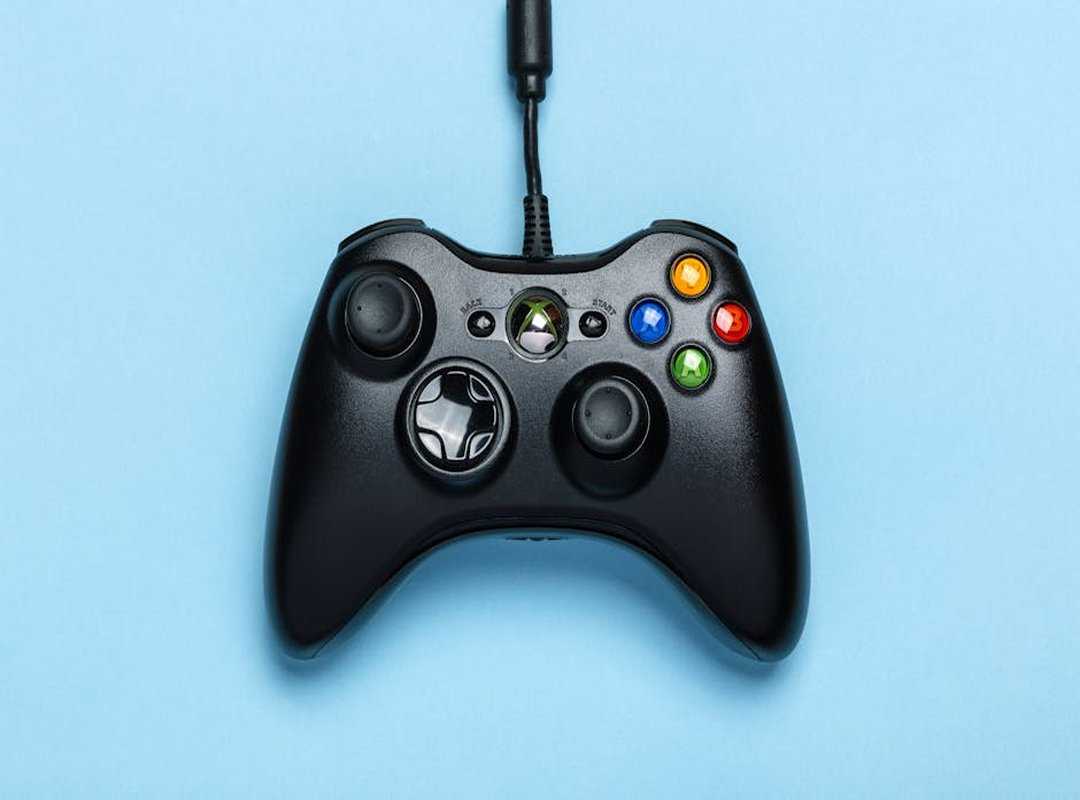
First, let’s talk shells and faceplates. You’ve got options here. Materials like soft-touch or gloss give different feels.
Want something unique? Go for custom prints or hydro-dipping. (Think psychedelic, camo, or whatever your heart dreams up.) Grip textures are key, too. They can change how you hold the whole controller.
Now, thumbsticks. They might seem small, but get them wrong and your play suffers. Options in height.
Low, medium, high-rise (impact) your control. Shape matters too: concave vs. domed changes your thumb grip. Some even come with swappable magnetic systems.
Not enough tension? Custom tension mods can come to the rescue.
Buttons and the D-pad can make or break your game. Custom colors and materials change the aesthetic, sure. But it’s the feel that counts.
Ever used “clicky” mechanical buttons? They mimic mouse clicks for faster response. Once you do, going back feels like a joke.
You wouldn’t believe the difference.
Triggers and bumpers are more than finger rests. “Trigger stops” are a game-changer. They shorten the pull distance, which is key in FPS games. For those who demand speed, try “digital tap” triggers.
They eliminate the pull entirely. It’s like upgrading your trigger finger.
Back paddles and buttons redefine how you play. Want to jump or crouch without moving your thumbs? This is your answer.
Different shapes and layouts cater to your style. It’s a performance upgrade you can’t ignore. Pop culture nod: remember how Iron Man upgrades his suit?
It’s like that for your controller.
Oh, and speaking of upgrades, if you’re looking to improve your setup for peak performance, dial in your monitor settings best gaming experience. These details may sound small, but they pack a punch.
In the end, tailoring your controller to your needs (it’s) more than a setup. It’s a commitment to playing smarter, not harder. So, what’s it going to be?
Time to rethink your gear.
Beyond Looks: Personalization’s Power in Gameplay
Does customizing your controller actually make you a better player? Short answer: Absolutely. Let’s talk serious benefits.
Ergonomics and comfort are not just buzzwords. Custom grips and shell textures can genuinely reduce hand fatigue during those intense all-nighters. Ever felt your hands cramp up mid-game?
That’s a thing of the past with the right mods.
Now, reaction time is where the magic happens. Trigger stops and digital tap triggers actually lower your time-to-fire in shooters. Imagine shaving milliseconds off your response time.
Yeah, it’s that key. And for those of you who love pulling off complex maneuvers, back paddles are a total game-changer. They let you jump-shot while keeping your aim steady.
It’s like having an extra pair of fingers.
Precision is another beast. Taller or custom-tension thumbsticks give you finer control when aiming. It’s the difference between a hit and a miss.
So, is personalization just a luxury? No way. It’s a strategic tool for serious gamers.
Custom gaming controllers aren’t just about style. They’re about gaining that competitive edge you need. Ready to take your gameplay up a notch?
You know what to do.
Craft Your Ultimate Gaming Edge
Tired of the limits of standard controllers? I get it. They feel like someone else’s clothes, too big or too tight.
Now, with your personalized controller blueprint, you’re ready to craft something that screams you. Your own style. Comfort and performance in every game session.
Why settle for less when you can have a controller tailored to your needs? It’s time to start. Sketch your dream design.
Browse parts for a DIY project. Or visit a pro builder’s site. Discover custom gaming controllers that fit you perfectly.
Don’t wait. Boost your gameplay and make it personal.
 Gerald Drakeforderick is the kind of writer who genuinely cannot publish something without checking it twice. Maybe three times. They came to virtual world exploration and lore through years of hands-on work rather than theory, which means the things they writes about — Virtual World Exploration and Lore, Hot Topics in Gaming, True Multiplayer Meta Breakdowns, among other areas — are things they has actually tested, questioned, and revised opinions on more than once.
That shows in the work. Gerald's pieces tend to go a level deeper than most. Not in a way that becomes unreadable, but in a way that makes you realize you'd been missing something important. They has a habit of finding the detail that everybody else glosses over and making it the center of the story — which sounds simple, but takes a rare combination of curiosity and patience to pull off consistently. The writing never feels rushed. It feels like someone who sat with the subject long enough to actually understand it.
Outside of specific topics, what Gerald cares about most is whether the reader walks away with something useful. Not impressed. Not entertained. Useful. That's a harder bar to clear than it sounds, and they clears it more often than not — which is why readers tend to remember Gerald's articles long after they've forgotten the headline.
Gerald Drakeforderick is the kind of writer who genuinely cannot publish something without checking it twice. Maybe three times. They came to virtual world exploration and lore through years of hands-on work rather than theory, which means the things they writes about — Virtual World Exploration and Lore, Hot Topics in Gaming, True Multiplayer Meta Breakdowns, among other areas — are things they has actually tested, questioned, and revised opinions on more than once.
That shows in the work. Gerald's pieces tend to go a level deeper than most. Not in a way that becomes unreadable, but in a way that makes you realize you'd been missing something important. They has a habit of finding the detail that everybody else glosses over and making it the center of the story — which sounds simple, but takes a rare combination of curiosity and patience to pull off consistently. The writing never feels rushed. It feels like someone who sat with the subject long enough to actually understand it.
Outside of specific topics, what Gerald cares about most is whether the reader walks away with something useful. Not impressed. Not entertained. Useful. That's a harder bar to clear than it sounds, and they clears it more often than not — which is why readers tend to remember Gerald's articles long after they've forgotten the headline.