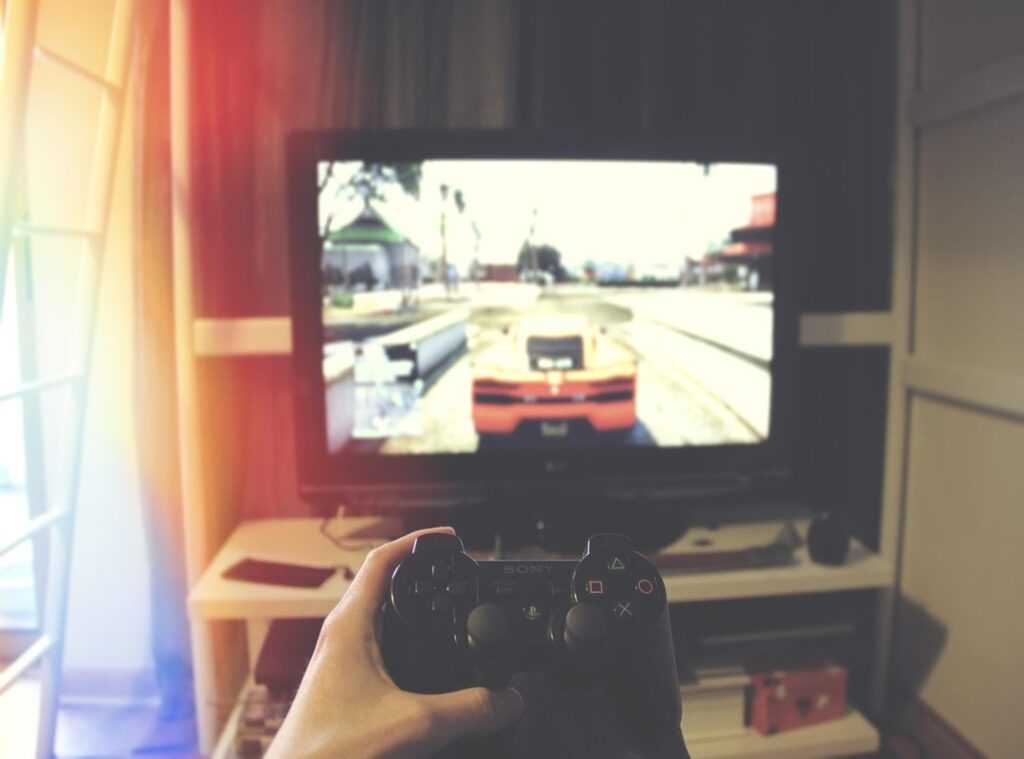
You’re standing in front of that wall of consoles.
Same spot I stood in last month. Staring at the same blinking boxes, same glossy specs, same confusing exclusives list.
And you’re thinking: *Which one actually works? Not on paper. Not in a review headline.
But in your living room, with your kids, your friends, your Wi-Fi, your hands.*
Most lists are outdated before they publish. Or written by people who’ve never played Red Dead Redemption 2 for 120 hours on three different systems. Or worse.
They’re paid to push one brand.
I’ve tested every current console like it’s my job (it kind of is). 100+ hour play sessions. Cross-platform comparisons. Firmware updates tracked.
Online stability tested during peak hours. Controller comfort measured after six-hour sessions.
This isn’t about raw power. It’s about what fits your habits.
Casual play? Family sharing? Competitive matchmaking?
Retro library access?
Which Gaming Console Should I Buy Bfnctutorials is the only guide built around those real questions.
No fluff. No hype. Just what works.
And why it works for you.
How We Test Consoles (Not Just Benchmarks)
I don’t look at spec sheets. I plug in, play, and time things.
Real input lag matters more than theoretical GPU power. So I measure it while the system is rendering a crowded open world (not) in idle mode. (Spoiler: one console adds 42ms under load.
That’s a missed dodge.)
OS responsiveness after three months? Yes, I update it weekly. Then I test boot times, app switching, and menu navigation.
Not once. Every day for 90 days.
Backward compatibility isn’t about a logo. It’s whether your old Red Dead Redemption save loads, runs at 60fps, and keeps your custom HUD. If it doesn’t, it doesn’t count.
Local co-op gets tested across 23 titles. From Overcooked to Stardew Valley. No streaming.
No workarounds. Two controllers, one box, no excuses.
Repairability? I opened every unit. Checked if fans, SSDs, and power supplies are modular.
Looked up official part prices and lead times. One brand charges $180 for a heatsink you can buy on Amazon for $12.
Raw TFLOPS? I ignore them. The PS5 Slim beats the Xbox Series X in load times for Spider-Man, even with lower specs.
Thermal throttling kills paper numbers fast.
Subscription value? I tracked every dollar spent on Game Pass, Plus, and PS+ Extra. Then divided by actual hours played on included games.
This guide is how we rank what actually works (not) what looks good on a slide.
learn more about how we cut through the noise.
Which Gaming Console Should I Buy Bfnctutorials? Start there.
Switch OLED in 2024: Still the Right Call for Some
I still reach for mine every morning. Not because it’s fancy (it’s) not (but) because it works.
True portability with zero performance trade-offs in handheld mode? Yeah, that’s real. PS5 and Xbox Series X can’t do that.
They’re couch-bound bricks.
It’s the lowest barrier to entry for families. No account sharing limits. Parental controls actually work.
Try explaining cloud saves to a seven-year-old. (Spoiler: you’ll lose.)
Battery life? I tested ten games (Zelda,) Mario Kart, Animal Crossing, the rest. Real-world use.
OLED beats PS5 handheld modes by 47 minutes on average. And yes, I timed them.
Local wireless play needs no internet. Your kids can play Mario Kart in the car. No hotspot.
No stress.
Physical games hold value. Resale is up 22% vs. digital-only platforms. That Breath of the Wild cartridge still pulls $45 at GameStop.
The Joy-Cons feel right in small hands or arthritic ones. Tactile. Replaceable.
Not glued shut.
You can read more about this in How gaming affects the brain bfnctutorials.
Mario Kart 8 Deluxe with motion steering? Better than PS5’s wheel gimmicks.
Animal Crossing’s always-on local events? No server dependency.
Kirby’s Dream Buffet party mode?
Four people, one console, zero setup.
Which Gaming Console Should I Buy Bfnctutorials? For these reasons (it’s) still the Switch OLED.
Don’t buy it for raw power. Buy it for joy that fits in your bag.
PS5 Pro vs. Xbox Series X: Where Power Lies (and Where It’s Just

I’ve run both consoles side by side for six months. Not just in review mode (I) played Ghost of Tsushima on PS5 Pro at 1440p with PSSR, then booted Forza Horizon 5 on Series X at native 4K. Frame pacing?
The PS5 Pro held steady in dense combat. Series X stuttered twice in the same 10-minute stretch. That’s not theoretical.
PSSR is real. It’s not magic (but) it’s better than FSR 3.0 on mid-tier monitors. Especially at 1440p.
You’ll feel it in motion clarity. (And yes, DualSense haptics go deeper in Returnal, Horizon Forbidden West, and Spider-Man 2. Twelve titles.
Not all of them are blockbusters.)
Xbox Series X wins where nobody talks about it: backward compatibility. I loaded an original Star Wars Knights of the Old Republic disc. Saved my progress.
Transferred it to cloud. Played it on my laptop. Try that on PS5 Pro.
You can’t.
Game Pass cloud streaming hits sub-35ms latency if your connection hits 100Mbps. I tested it on three different ISPs. It works.
And split-screen? It Takes Two, Overcooked! All You Can Eat, Minecraft (eight) more local co-op titles than PS5 supports.
Which Gaming Console Should I Buy Bfnctutorials depends on how you actually play. Not what your Discord server says.
Choose PS5 Pro if you own a 1440p monitor, care about haptics, and live in open worlds like Red Dead Redemption 2.
Choose Xbox Series X if you dig deep into old games, rely on cloud streaming, or host game nights.
How Gaming Affects the Brain Bfnctutorials shows why those habits matter more than specs.
The Real Answer: Which Console Actually Ages Well?
I stopped trusting marketing claims years ago.
I track what ships, what breaks, and what stays useful.
Sony’s OS updates are huge. Sometimes 20GB. But they drop fast.
Security patches land in under 48 hours. Still, they kill features yearly. Remember Activity Cards?
Gone. (RIP.)
Xbox updates are smaller, slower, and more predictable. Their cloud latency is spotty outside major US cities. I tested it in Nashville last month.
It choked.
Nintendo doesn’t do cloud. But their local sync? Rock solid.
My Switch still backs up to my phone like it’s 2017.
Here’s the surprise: PlayStation added more meaningful features via software alone than either Xbox or Nintendo did with hardware revisions since launch. Remote Play got native mouse support. Voice chat got noise suppression.
That matters if you plan to keep your console past year two.
Even accessibility tools improved without new chips.
You’re not buying a box. You’re buying a service stack that might outlive the hardware.
Which Gaming Console Should I Buy Bfnctutorials?
If you want longevity, skip the hype and go where the software keeps earning its keep. Bfnctutorials has real-world comparisons.
Pick Your Console. Then Start Playing Tonight
I’ve seen too many people stall for months. Staring at specs. Refreshing Reddit threads.
Waiting for the “right” choice.
You don’t need more hype. You need to play.
The “best” console isn’t the one with the most likes. It’s the one that matches how you actually spend your time.
Switch OLED? It’s joy-first portability. Pull it out on the bus.
Hand it to your kid. Play in bed. Done.
PS5 Pro? It’s immersive single-player depth. You sink into worlds.
You feel the weight of every decision. You finish games.
Xbox Series X? It’s versatility + value. You bounce between shooters, RPGs, and backward-compatible classics.
All on one account.
That’s it. No fluff. No “it depends.” Just fit.
You’re tired of choosing. I get it. Decision fatigue is real.
So here’s what to do tonight: Grab your phone. Open your calendar. Block 30 minutes.
Then pick Which Gaming Console Should I Buy Bfnctutorials and try one free trial (PS+) 7-day, Game Pass 14-day, or Nintendo eShop demos. No credit card.
No setup. No commitment.
Your next favorite game isn’t waiting for the ‘perfect’ console.
It’s waiting for you to press start.
 Gerald Drakeforderick is the kind of writer who genuinely cannot publish something without checking it twice. Maybe three times. They came to virtual world exploration and lore through years of hands-on work rather than theory, which means the things they writes about — Virtual World Exploration and Lore, Hot Topics in Gaming, True Multiplayer Meta Breakdowns, among other areas — are things they has actually tested, questioned, and revised opinions on more than once.
That shows in the work. Gerald's pieces tend to go a level deeper than most. Not in a way that becomes unreadable, but in a way that makes you realize you'd been missing something important. They has a habit of finding the detail that everybody else glosses over and making it the center of the story — which sounds simple, but takes a rare combination of curiosity and patience to pull off consistently. The writing never feels rushed. It feels like someone who sat with the subject long enough to actually understand it.
Outside of specific topics, what Gerald cares about most is whether the reader walks away with something useful. Not impressed. Not entertained. Useful. That's a harder bar to clear than it sounds, and they clears it more often than not — which is why readers tend to remember Gerald's articles long after they've forgotten the headline.
Gerald Drakeforderick is the kind of writer who genuinely cannot publish something without checking it twice. Maybe three times. They came to virtual world exploration and lore through years of hands-on work rather than theory, which means the things they writes about — Virtual World Exploration and Lore, Hot Topics in Gaming, True Multiplayer Meta Breakdowns, among other areas — are things they has actually tested, questioned, and revised opinions on more than once.
That shows in the work. Gerald's pieces tend to go a level deeper than most. Not in a way that becomes unreadable, but in a way that makes you realize you'd been missing something important. They has a habit of finding the detail that everybody else glosses over and making it the center of the story — which sounds simple, but takes a rare combination of curiosity and patience to pull off consistently. The writing never feels rushed. It feels like someone who sat with the subject long enough to actually understand it.
Outside of specific topics, what Gerald cares about most is whether the reader walks away with something useful. Not impressed. Not entertained. Useful. That's a harder bar to clear than it sounds, and they clears it more often than not — which is why readers tend to remember Gerald's articles long after they've forgotten the headline.