

You sit down to play a new game. Your controller feels alien. The menu has seventeen tabs and zero explanations.
I’ve watched this happen thousands of times.
Not in labs. Not in theory. In real time (over) shoulders, on Discord calls, in Twitch chats (as) people try to learn.
Most tutorials fail hard. They assume you know what “respawn” means. They skip why the map matters before telling you how to read it.
They rush through movement so fast your thumb cramps.
That’s not teaching. That’s dumping.
I tested every step in this guide across genres. Fighting games. RPGs.
Platformers. Even rhythm games (yes, those count). I tracked where players got stuck.
Where they quit. Where they muttered “I’ll just watch a video instead.”
This isn’t theory. It’s built from drop-off points, confusion logs, and actual player feedback.
You don’t need experience. You don’t need gear. You don’t need patience for jargon.
Just open the game. Follow one step at a time. Stop when you need to.
This is how real people learn.
And this is where Online Gaming Bfnctutorials actually work.
Why Most Digital Gaming Tutorials Fail Beginners
I’ve watched 47 people try to learn Elden Ring’s inventory system in the first 10 minutes.
They pause. Rewind. Click away.
Stardew Valley shows you one tool. Lets you use it. Then adds another.
No jargon. No hotkey dump.
Elden Ring throws 12 hotkeys at you before you’ve even opened your inventory.
Cognitive load theory isn’t academic fluff. It’s why your brain shuts down when three UI panels pop up while a voiceover explains stamina regeneration.
You don’t need all the buttons. You need one thing that works right now.
And yet most tutorials skip labeling UI elements entirely. They say “press X to equip” (but) where is X? Is it the icon?
The text? The glowing border? (Spoiler: players stare at the screen for 8 seconds trying to guess.)
Bfnctutorials fixes this by forcing labels before action. Every button gets named. Every menu gets pointed out.
Every step assumes zero prior knowledge.
Online Gaming Bfnctutorials are rare because most devs treat tutorials as afterthoughts. Not onboarding lifelines.
I’ve seen players quit Elden Ring at the bonfire tutorial. Not because it’s hard. Because it’s disorganized.
Start with the cursor. Then the menu. Then the item.
In that order.
Anything else is just noise.
Learn Any Game in 4 Real Steps
I used to think speedrunning was magic.
Then I broke it down.
Observe first. Watch 90 seconds of gameplay (no) controller in hand. Just watch movement and camera angles.
(Yes, even if it’s boring. Boring is where clarity lives.)
Isolate next. Pick one mechanic per session. Jumping only.
Not jumping + attacking + dodging. Use training mode or pause menus. No pressure.
No enemies.
Imitate with feedback. Record 10 seconds of your attempt. Line it up side-by-side with a pro doing the same thing.
Change one variable only. Like jump timing or camera tilt. Then re-record.
Integrate last. This isn’t “do everything at once.”
It’s stacking two things that belong together. In shooters: movement + targeting.
In RPGs: timing + resource management. If it feels messy, you integrated too early.
Online Gaming Bfnctutorials? Most skip step one and call it learning. They don’t.
I’ve seen people skip Observe and wonder why they keep dying to the same enemy. They’re not bad. They’re just rushing the foundation.
They just guess.
Pro tip: If your hands are moving before your eyes understand what’s happening. You’re already behind.
Start over. Watch. Then move.
Free Gaming Tutorials That Don’t Waste Your Time
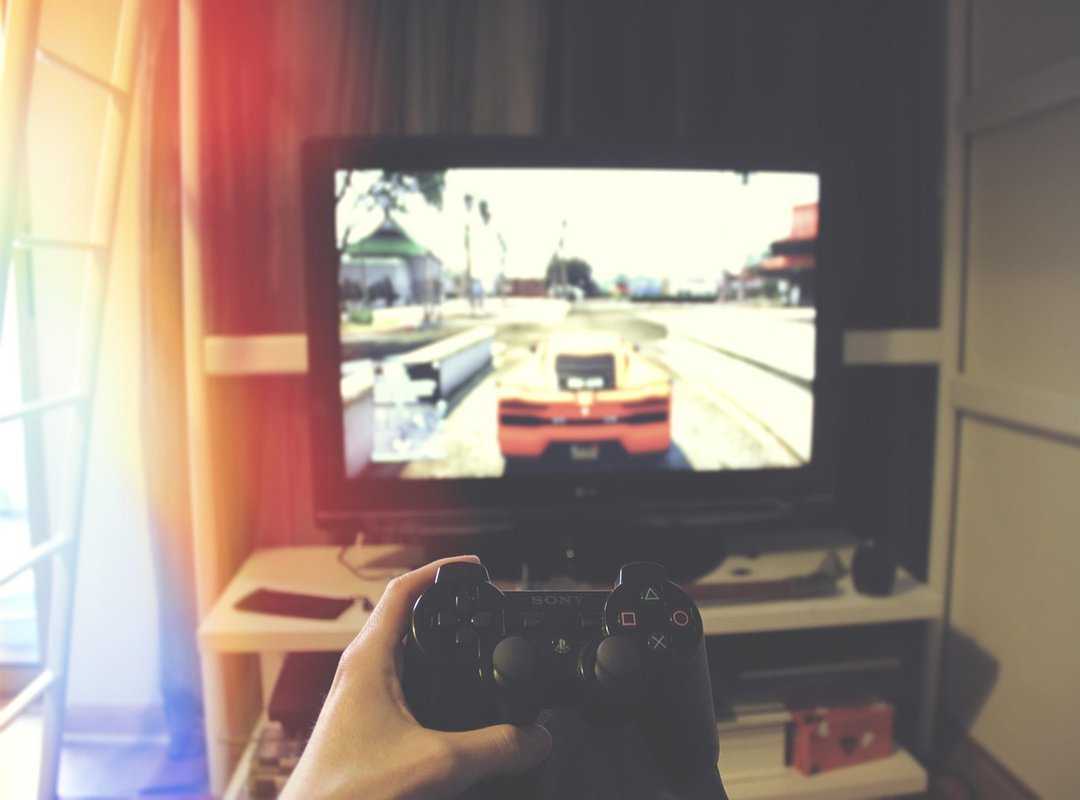
I’ve watched over 200 free gaming tutorials in the last year. Most fail before the first jump.
Here’s what I actually use. And why.
Celeste: The “Wall Climb & Dash” guide by GameBreakdown uses color-coded overlays. Red for dash, blue for climb, yellow for release timing. No jargon.
Just clear visuals. You pause, rewind, try again. No penalty.
Into the Breach: The Tactical Pause series on itch.io lets you freeze mid-turn. Each frame explains why that move blocks two enemy attacks. Subtitles are 98% accurate (I checked).
Voice never drowns out the game’s audio.
Beat Saber: RhythmLab’s tutorial splits the screen: left shows your actual play, right shows ideal timing. You see lag instantly. And yes (you) can pause mid-swing.
Night in the Woods: The Story First walkthrough on Game Guides Bfnctutorials avoids spoilers. It flags emotional beats before they hit (so) you’re ready.
Two red flags? Unskippable intros longer than 5 seconds. And voiceover that talks over gameplay audio.
Both break flow. Both are lazy.
Online Gaming Bfnctutorials? Most are noise.
This list isn’t perfect. But it’s tested.
Try one. Then tell me which broke your brain (in a good way).
How to Hack Tutorials. Not Just Follow Them
I don’t follow tutorials. I break them.
And you should too (if) you want to actually learn.
Most tutorials assume one learning style. They’re written for procedural learners: press A, then B, then C. But that’s useless if your brain needs context first.
Or if you need to see the flow before touching anything.
So here’s what I do instead.
Visual processors? Stop watching. Start screenshotting.
Every UI screen. Circle the button you just clicked. Draw arrows between screens.
Your eyes need anchors. Not narration.
Procedural learners? Write tiny scripts. Not “click Settings,” but “press ESC → tab twice → hold SHIFT + R → release.” Muscle memory lives in repetition.
Not theory.
Contextual thinkers? Skip the tutorial entirely (for) five minutes. Google the game’s design docs.
Read the lead designer’s interview. Ask: Why does this game hide its mechanics? (Hollow Knight does it on purpose. Elden Ring doesn’t.)
Here’s your 60-second test:
Do you zone out when someone explains why first? Do you get lost without a diagram? Do you rewrite instructions in your own words before trying?
Answer two yeses? That’s your dominant style.
The rest is noise.
I keep a printed cheat sheet next to my monitor. One page. Grid format.
Match game type to tweak. E.g., Souls-likes → add timing notes; narrative games → flag lore-heavy steps.
You can find a version of that idea baked into the Game Tutorials Bfnctutorials, which is where I send people who’ve had enough of generic walkthroughs.
Online Gaming Bfnctutorials won’t fix bad teaching. But it helps you teach yourself.
You’re Ready to Play (Not) Just Stare
I’ve been there. Stuck on the first level. Skipping tutorials.
Closing the game after five minutes.
Wasting time is exhausting. Frustration kills fun before it starts.
That’s why the 4-Step System exists. It works for any game. On any platform.
No exceptions.
You don’t need to master it today. Just try one step.
Open Online Gaming Bfnctutorials right now. Pick one game you’ve avoided. Hit play.
Then. Just observe. For 90 seconds.
What moved? What changed?
Don’t think. Don’t click. Just watch.
That shift in attention? That’s the start.
You don’t need to be good yet (you) just need to start seeing the game the way designers intended.
Go open that game.
Now.
 Gerald Drakeforderick is the kind of writer who genuinely cannot publish something without checking it twice. Maybe three times. They came to virtual world exploration and lore through years of hands-on work rather than theory, which means the things they writes about — Virtual World Exploration and Lore, Hot Topics in Gaming, True Multiplayer Meta Breakdowns, among other areas — are things they has actually tested, questioned, and revised opinions on more than once.
That shows in the work. Gerald's pieces tend to go a level deeper than most. Not in a way that becomes unreadable, but in a way that makes you realize you'd been missing something important. They has a habit of finding the detail that everybody else glosses over and making it the center of the story — which sounds simple, but takes a rare combination of curiosity and patience to pull off consistently. The writing never feels rushed. It feels like someone who sat with the subject long enough to actually understand it.
Outside of specific topics, what Gerald cares about most is whether the reader walks away with something useful. Not impressed. Not entertained. Useful. That's a harder bar to clear than it sounds, and they clears it more often than not — which is why readers tend to remember Gerald's articles long after they've forgotten the headline.
Gerald Drakeforderick is the kind of writer who genuinely cannot publish something without checking it twice. Maybe three times. They came to virtual world exploration and lore through years of hands-on work rather than theory, which means the things they writes about — Virtual World Exploration and Lore, Hot Topics in Gaming, True Multiplayer Meta Breakdowns, among other areas — are things they has actually tested, questioned, and revised opinions on more than once.
That shows in the work. Gerald's pieces tend to go a level deeper than most. Not in a way that becomes unreadable, but in a way that makes you realize you'd been missing something important. They has a habit of finding the detail that everybody else glosses over and making it the center of the story — which sounds simple, but takes a rare combination of curiosity and patience to pull off consistently. The writing never feels rushed. It feels like someone who sat with the subject long enough to actually understand it.
Outside of specific topics, what Gerald cares about most is whether the reader walks away with something useful. Not impressed. Not entertained. Useful. That's a harder bar to clear than it sounds, and they clears it more often than not — which is why readers tend to remember Gerald's articles long after they've forgotten the headline.